 Image 1 of 3
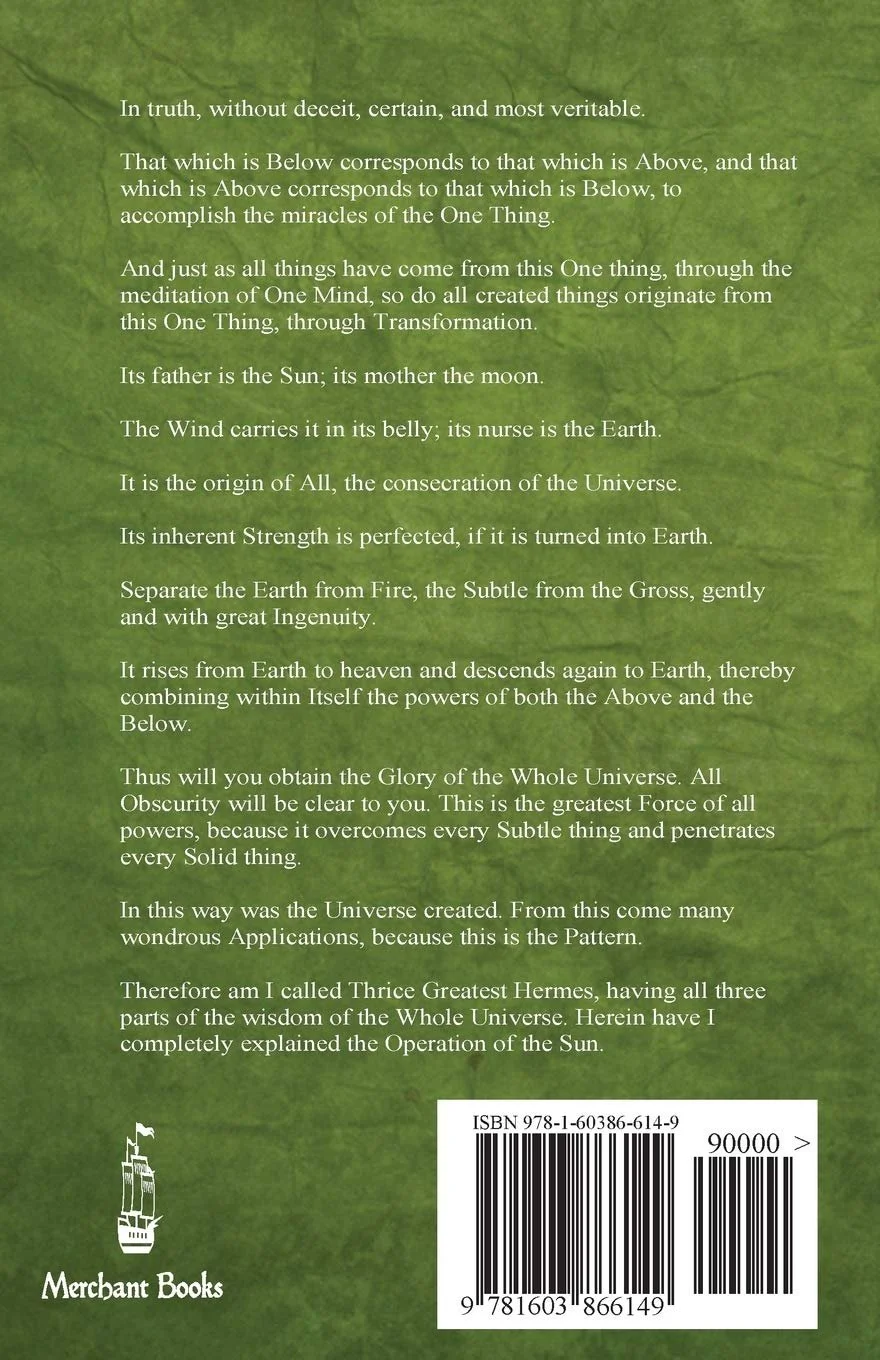 Image 2 of 3
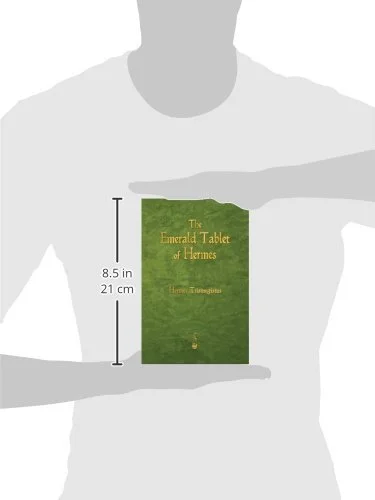 Image 3 of 3
One of history's most influential esoteric texts—an enduring source of Hermetic philosophy, alchemy, and symbolic wisdom.
For centuries, The Emerald Tablet has captivated philosophers, alchemists, mystics, and students of esoteric traditions. Though remarkably brief, this mysterious work has inspired countless interpretations and has profoundly influenced Western occult philosophy, Renaissance thought, alchemy, and Hermeticism.
Traditionally attributed to the legendary Hermes Trismegistus, the "Thrice-Great Hermes," The Emerald Tablet is considered one of the foundational texts of the Hermetic tradition. Its cryptic verses have been studied for over a thousand years by scholars seeking to understand the relationship between the physical universe, the human mind, and the divine order of creation.
Among its most famous teachings is the principle often paraphrased as "As above, so below," a concept that has become one of the best-known maxims in esoteric philosophy. While the exact wording varies among translations, the phrase expresses the idea that patterns found in the cosmos are reflected within humanity and nature—a principle that has influenced philosophy, alchemy, psychology, spirituality, and symbolism for centuries.
Although only a few dozen lines long, The Emerald Tablet has generated an extraordinary body of commentary throughout history.
Beginning with Arabic manuscripts preserved between the eighth and tenth centuries, the text eventually spread throughout medieval Europe through Latin translations. During the Middle Ages, scholars regarded it as one of the foundational writings of alchemy, believing it contained symbolic instructions related to transformation, purification, and the legendary Philosopher's Stone.
During the Renaissance, philosophers expanded its interpretation beyond laboratory alchemy, viewing the Tablet as a guide to spiritual development, personal transformation, and the hidden structure of the universe.
Today, it continues to be studied by readers interested in:
Hermetic philosophy
Western esotericism
Symbolism
Ancient wisdom traditions
Comparative religion
Alchemy
Mysticism
Sacred philosophy
Occult history
Hermes Trismegistus is a legendary figure who emerged during the Hellenistic period through the blending of the Greek god Hermes and the Egyptian god Thoth.
Rather than representing a single historical individual, Hermes became the symbolic author of the Hermetica, a collection of philosophical writings exploring subjects including:
Creation
Divine intelligence
Nature
Spiritual rebirth
The human soul
Cosmic order
Knowledge and wisdom
These writings profoundly influenced philosophers, theologians, Renaissance scholars, alchemists, and mystics throughout Europe and the Middle East.
Perhaps no phrase has become more closely associated with Hermetic philosophy than:
"As above, so below."
Although commonly quoted in modern culture, the phrase originates from interpretations of The Emerald Tablet and expresses the idea that the universe operates according to recurring patterns. Many readers understand it as describing the relationship between:
Heaven and Earth
Spirit and matter
Humanity and the cosmos
The visible and the invisible
Inner transformation and the external world
Throughout history, philosophers and mystics have interpreted this principle in numerous ways, making it one of the most enduring ideas in Western esoteric thought.
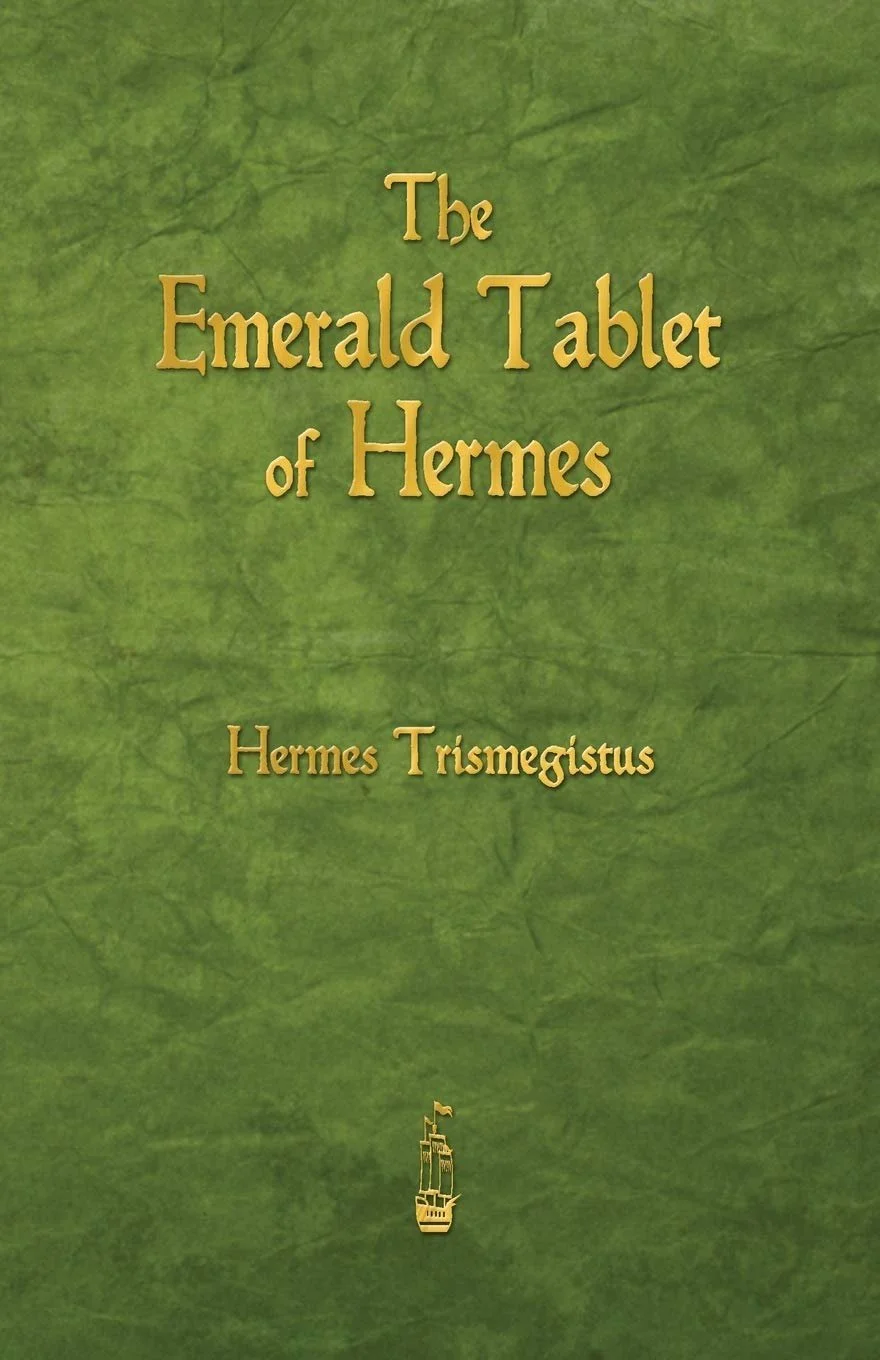
This illustrated Merchant Books edition presents the historic text in an accessible format, making it an excellent introduction for readers new to Hermetic philosophy while remaining a valuable addition for experienced students of symbolism and esoteric traditions.
Despite its concise length, The Emerald Tablet has inspired thousands of books, commentaries, lectures, and philosophical discussions over the centuries. Many readers return to its enigmatic verses repeatedly, discovering new meanings with each reading.
Hermeticism
Ancient philosophy
Alchemy
Esoteric traditions
Occult history
Sacred symbolism
Comparative religion
Mysticism
Ancient Egypt
Greek philosophy
Renaissance thought
Spiritual philosophy
Hermes Trismegistus ("Hermes the Thrice-Great") is a legendary figure associated with wisdom, philosophy, and sacred knowledge. Emerging from the fusion of the Greek god Hermes and the Egyptian god Thoth, he became the traditional author of the Hermetica, a body of writings that shaped the development of Hermetic philosophy, Renaissance humanism, alchemy, and Western esotericism.
Although modern scholars regard Hermes as a legendary rather than historical figure, the writings attributed to him have influenced thinkers for more than a millennium and continue to inspire readers exploring philosophy, symbolism, and spiritual traditions.
Title: The Emerald Tablet of Hermes
Author: Hermes Trismegistus
Publisher: Merchant Books
Edition: Illustrated
Publication Date: November 16, 2013
Language: English
Print Length: 44 pages
ISBN-10: 1603866140
ISBN-13: 978-1603866149
Dimensions: 5.5 x 0.11 x 8.5 inches
Item Weight: 2.4 ounces
Few books have exercised as much influence while containing so few words. The Emerald Tablet has served as a cornerstone of Hermetic philosophy for centuries, inspiring generations of philosophers, alchemists, mystics, psychologists, and seekers of wisdom. Its symbolic language invites readers to reflect on the relationship between the material and spiritual worlds while encouraging contemplation rather than simple answers.
Whether approached as a historical document, a philosophical text, or a work of symbolic literature, The Emerald Tablet remains one of the most enduring and widely studied works in the Western esoteric tradition. Its themes of transformation, wisdom, unity, and the search for higher understanding continue to resonate with readers across cultures and generations.
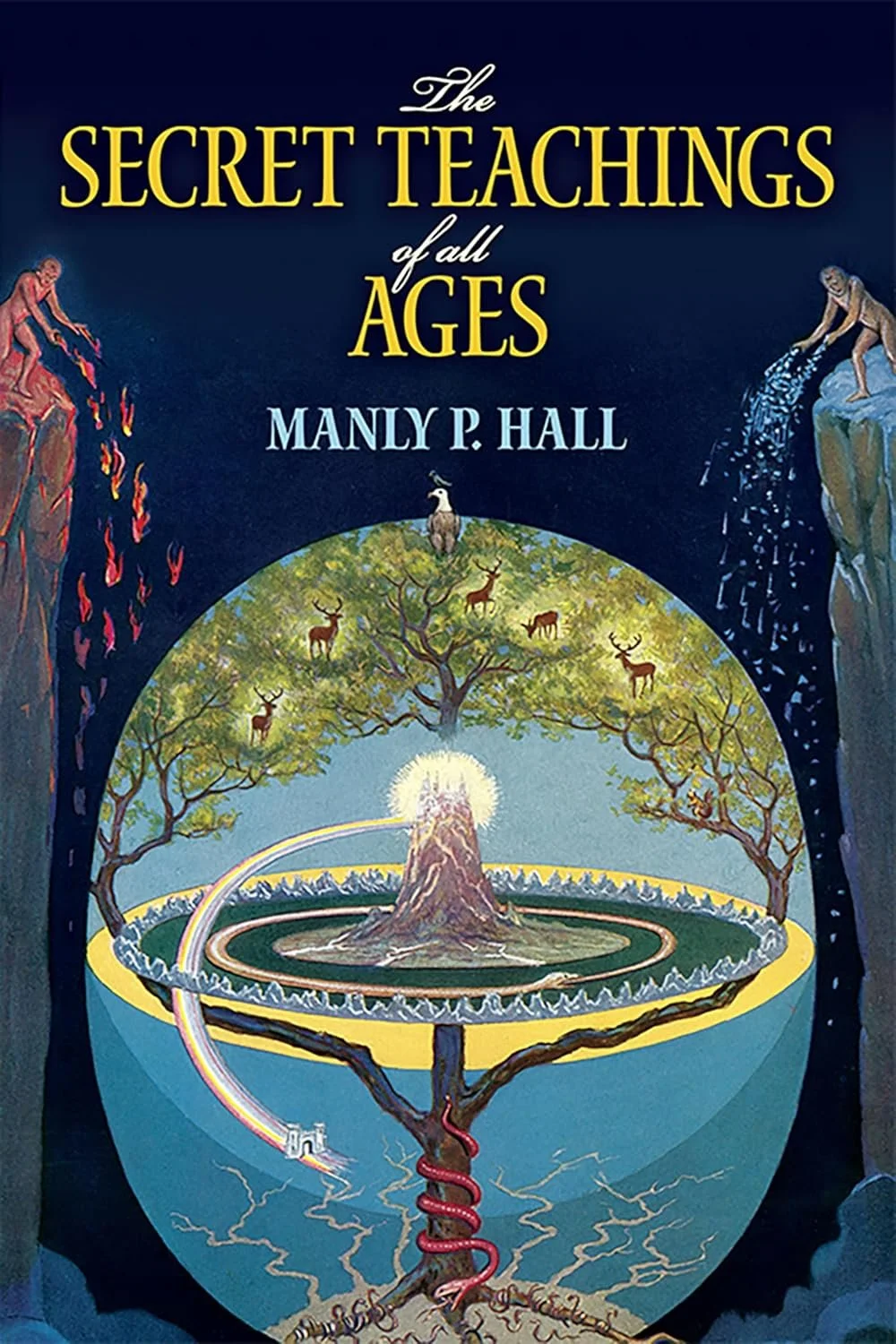
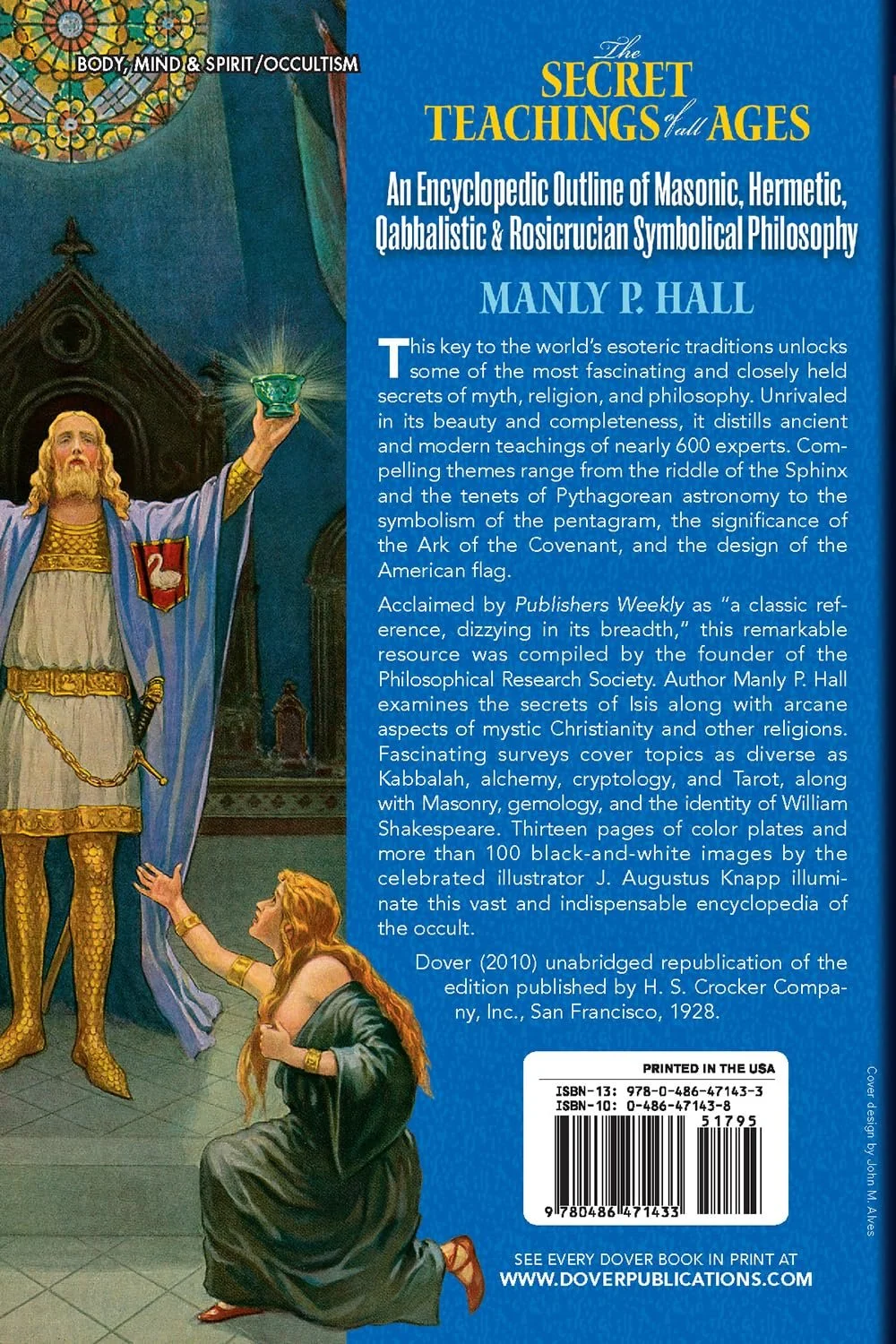
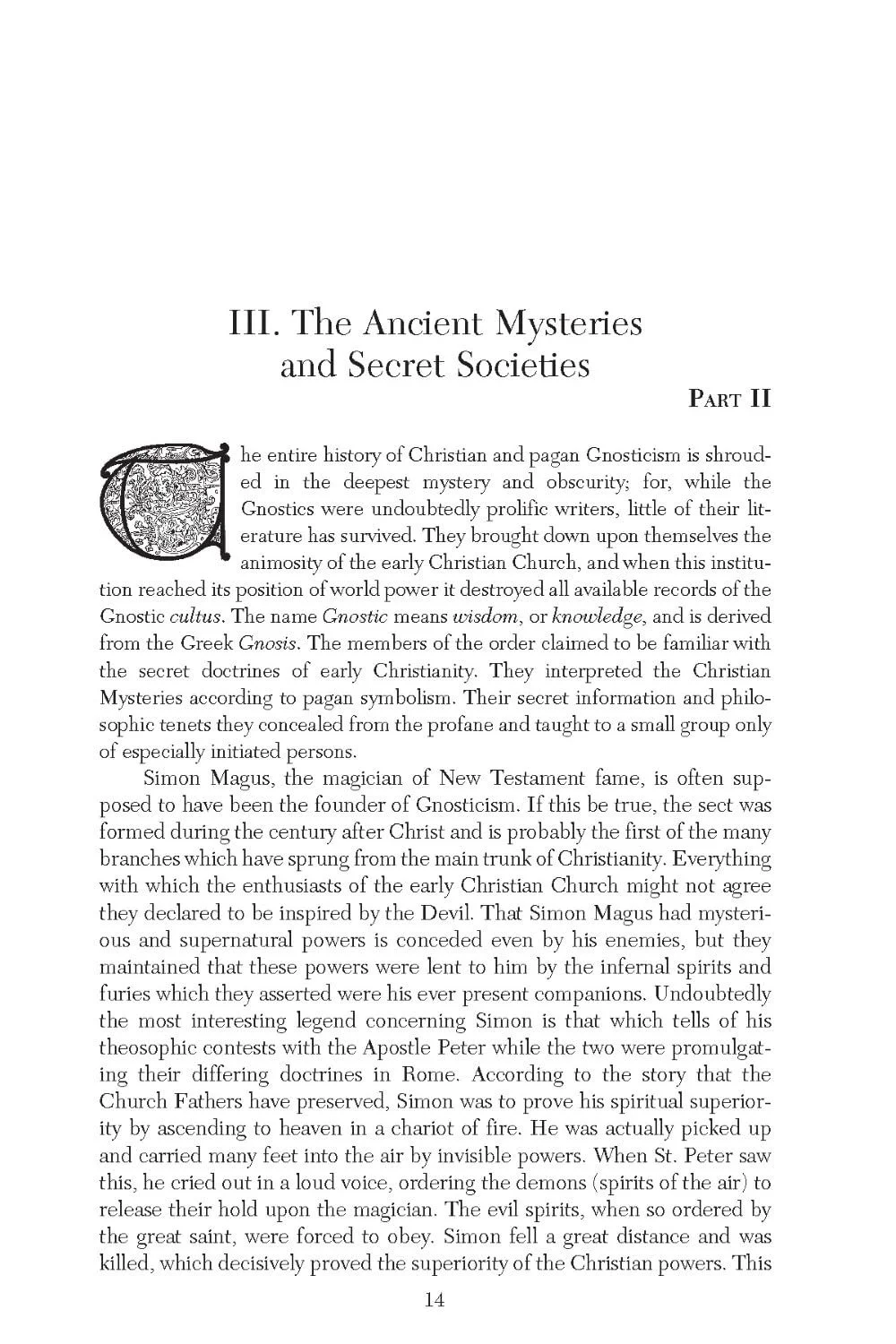
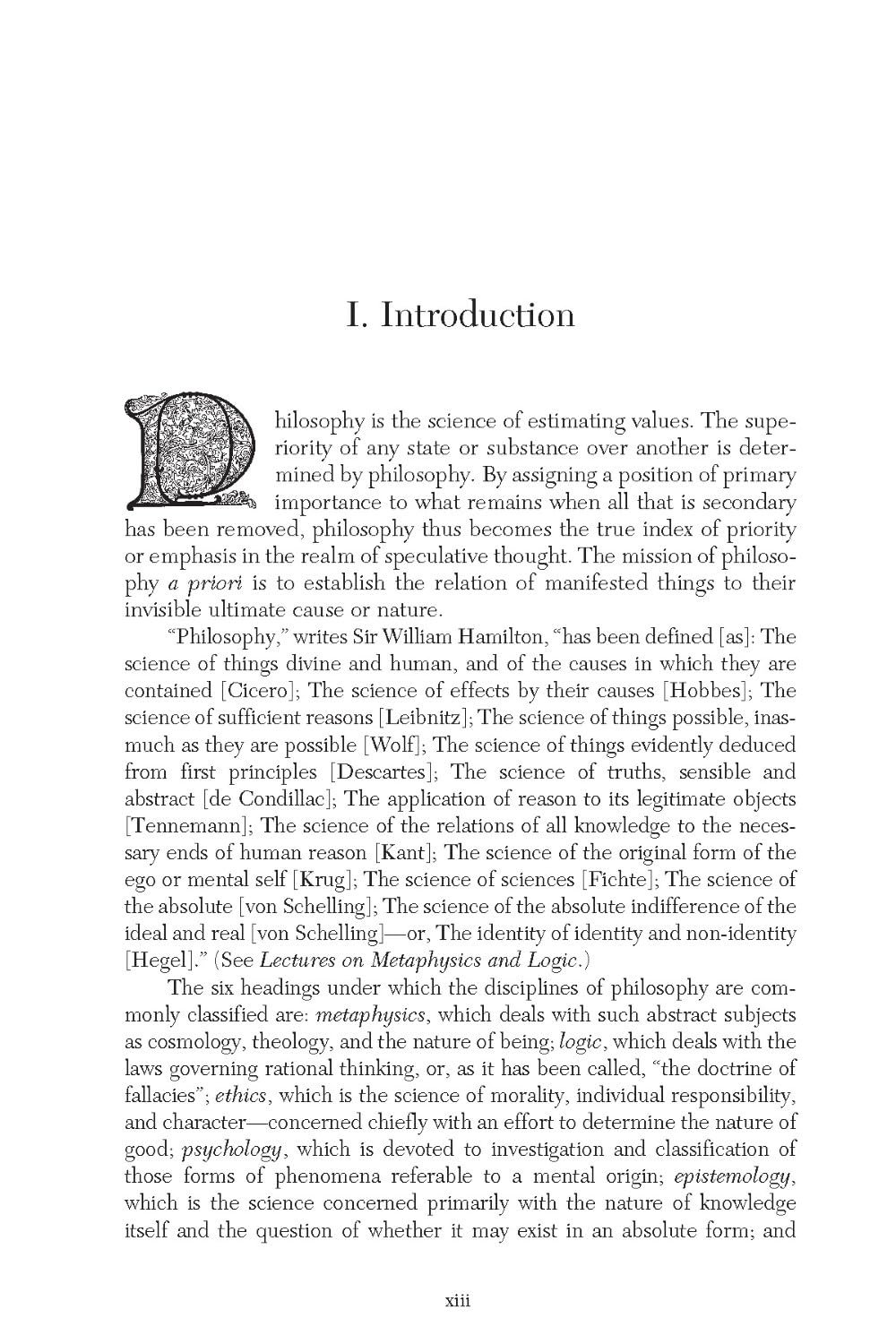
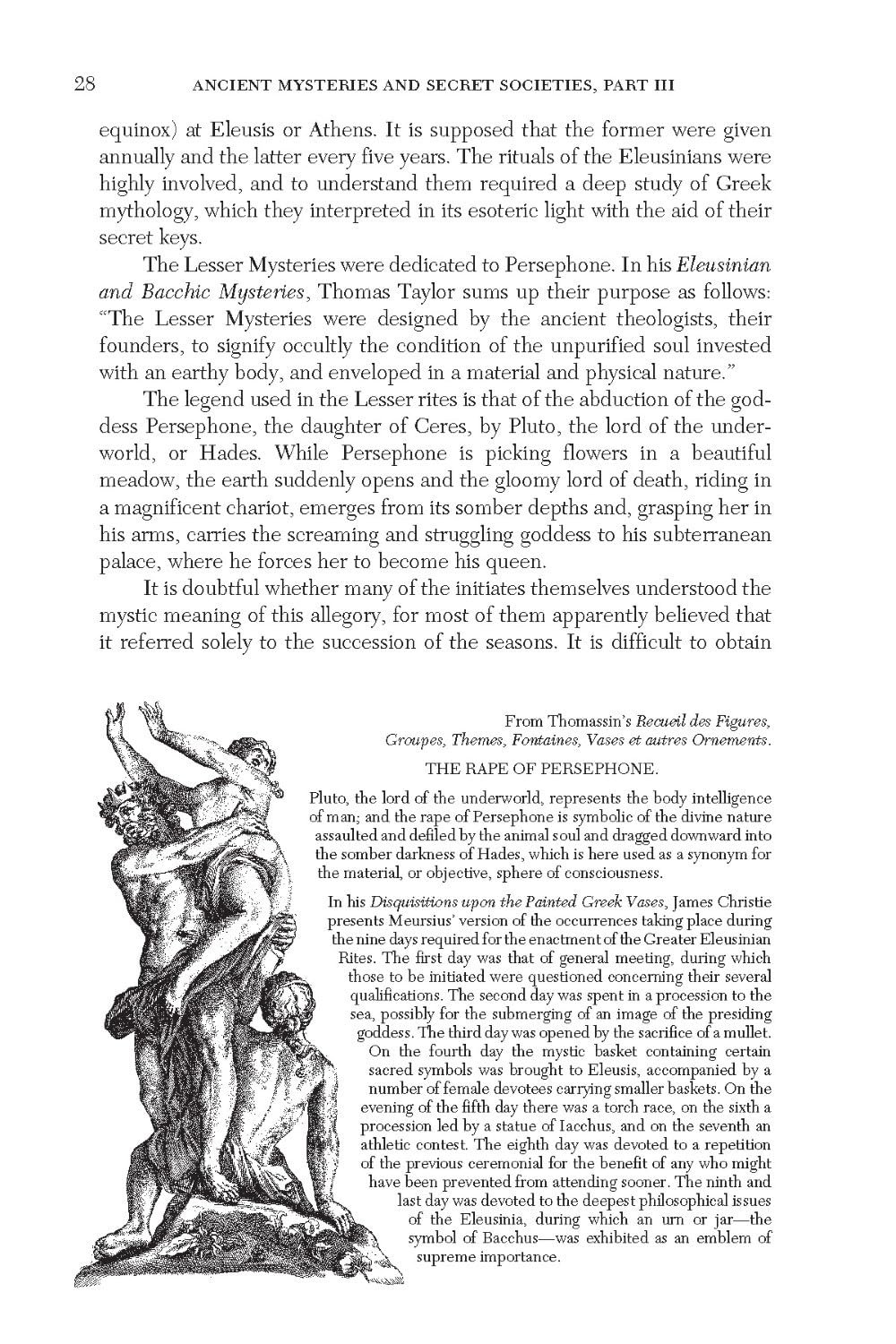
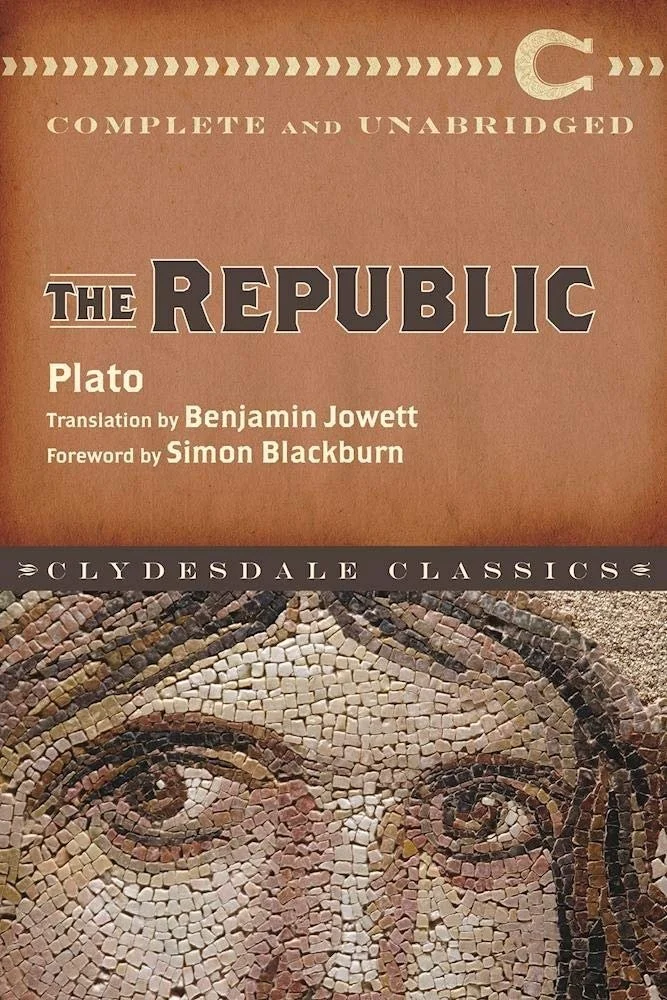
Perfect alongside titles such as The Secret Teachings of All Ages, Morals and Dogma, The Kybalion, Meditations, Republic, and Written in Stone, this classic work belongs in the library of anyone interested in philosophy, symbolism, Hermeticism, and the history of esoteric thought.
One of history's most influential esoteric texts—an enduring source of Hermetic philosophy, alchemy, and symbolic wisdom.
For centuries, The Emerald Tablet has captivated philosophers, alchemists, mystics, and students of esoteric traditions. Though remarkably brief, this mysterious work has inspired countless interpretations and has profoundly influenced Western occult philosophy, Renaissance thought, alchemy, and Hermeticism.
Traditionally attributed to the legendary Hermes Trismegistus, the "Thrice-Great Hermes," The Emerald Tablet is considered one of the foundational texts of the Hermetic tradition. Its cryptic verses have been studied for over a thousand years by scholars seeking to understand the relationship between the physical universe, the human mind, and the divine order of creation.
Among its most famous teachings is the principle often paraphrased as "As above, so below," a concept that has become one of the best-known maxims in esoteric philosophy. While the exact wording varies among translations, the phrase expresses the idea that patterns found in the cosmos are reflected within humanity and nature—a principle that has influenced philosophy, alchemy, psychology, spirituality, and symbolism for centuries.
Although only a few dozen lines long, The Emerald Tablet has generated an extraordinary body of commentary throughout history.
Beginning with Arabic manuscripts preserved between the eighth and tenth centuries, the text eventually spread throughout medieval Europe through Latin translations. During the Middle Ages, scholars regarded it as one of the foundational writings of alchemy, believing it contained symbolic instructions related to transformation, purification, and the legendary Philosopher's Stone.
During the Renaissance, philosophers expanded its interpretation beyond laboratory alchemy, viewing the Tablet as a guide to spiritual development, personal transformation, and the hidden structure of the universe.
Today, it continues to be studied by readers interested in:
Hermetic philosophy
Western esotericism
Symbolism
Ancient wisdom traditions
Comparative religion
Alchemy
Mysticism
Sacred philosophy
Occult history
Hermes Trismegistus is a legendary figure who emerged during the Hellenistic period through the blending of the Greek god Hermes and the Egyptian god Thoth.
Rather than representing a single historical individual, Hermes became the symbolic author of the Hermetica, a collection of philosophical writings exploring subjects including:
Creation
Divine intelligence
Nature
Spiritual rebirth
The human soul
Cosmic order
Knowledge and wisdom
These writings profoundly influenced philosophers, theologians, Renaissance scholars, alchemists, and mystics throughout Europe and the Middle East.
Perhaps no phrase has become more closely associated with Hermetic philosophy than:
"As above, so below."
Although commonly quoted in modern culture, the phrase originates from interpretations of The Emerald Tablet and expresses the idea that the universe operates according to recurring patterns. Many readers understand it as describing the relationship between:
Heaven and Earth
Spirit and matter
Humanity and the cosmos
The visible and the invisible
Inner transformation and the external world
Throughout history, philosophers and mystics have interpreted this principle in numerous ways, making it one of the most enduring ideas in Western esoteric thought.
This illustrated Merchant Books edition presents the historic text in an accessible format, making it an excellent introduction for readers new to Hermetic philosophy while remaining a valuable addition for experienced students of symbolism and esoteric traditions.
Despite its concise length, The Emerald Tablet has inspired thousands of books, commentaries, lectures, and philosophical discussions over the centuries. Many readers return to its enigmatic verses repeatedly, discovering new meanings with each reading.
Hermeticism
Ancient philosophy
Alchemy
Esoteric traditions
Occult history
Sacred symbolism
Comparative religion
Mysticism
Ancient Egypt
Greek philosophy
Renaissance thought
Spiritual philosophy
Hermes Trismegistus ("Hermes the Thrice-Great") is a legendary figure associated with wisdom, philosophy, and sacred knowledge. Emerging from the fusion of the Greek god Hermes and the Egyptian god Thoth, he became the traditional author of the Hermetica, a body of writings that shaped the development of Hermetic philosophy, Renaissance humanism, alchemy, and Western esotericism.
Although modern scholars regard Hermes as a legendary rather than historical figure, the writings attributed to him have influenced thinkers for more than a millennium and continue to inspire readers exploring philosophy, symbolism, and spiritual traditions.
Title: The Emerald Tablet of Hermes
Author: Hermes Trismegistus
Publisher: Merchant Books
Edition: Illustrated
Publication Date: November 16, 2013
Language: English
Print Length: 44 pages
ISBN-10: 1603866140
ISBN-13: 978-1603866149
Dimensions: 5.5 x 0.11 x 8.5 inches
Item Weight: 2.4 ounces
Few books have exercised as much influence while containing so few words. The Emerald Tablet has served as a cornerstone of Hermetic philosophy for centuries, inspiring generations of philosophers, alchemists, mystics, psychologists, and seekers of wisdom. Its symbolic language invites readers to reflect on the relationship between the material and spiritual worlds while encouraging contemplation rather than simple answers.
Whether approached as a historical document, a philosophical text, or a work of symbolic literature, The Emerald Tablet remains one of the most enduring and widely studied works in the Western esoteric tradition. Its themes of transformation, wisdom, unity, and the search for higher understanding continue to resonate with readers across cultures and generations.
Perfect alongside titles such as The Secret Teachings of All Ages, Morals and Dogma, The Kybalion, Meditations, Republic, and Written in Stone, this classic work belongs in the library of anyone interested in philosophy, symbolism, Hermeticism, and the history of esoteric thought.